Nvidia suddenly announced that it would stop accepting orders from Chinese customers. This news came as a shock. As we all know, Nvidia, as the king of the global GPU market, suddenly said no. What profound meaning is there behind this? This decision is out of strict compliance with U.S. export control policies. Everyone knows very well that this is actually the old trick that the United States commonly uses to "blockade" China's technological development. However, the impact of this decision is extraordinary. Nvidia's chips play a decisive role in fields such as AI, data centers, and games in China. No one can ignore its core position.
The reasons for the United States to restrict China's technological development are very familiar. It is because they are worried that China's technological progress will threaten their status. Therefore, they have introduced the "Chip Act", not only investing tens of billions of dollars to support their domestic chip industry but also forming the "Chip Quad Alliance" with Japan, South Korea, and Taiwan region to jointly put pressure on China. This decision by Nvidia is completely to cooperate with the U.S. blockade strategy, and it can also be said to tighten the blockade for the United States. Nvidia's supply cut this time has caused panic in China's technology community. The influence of chips in the Chinese market is unrivaled. If it is lost, many high-end fields may be paralyzed as a result.
However, to be honest, this is not the first time we have encountered such a situation.
Remember the sanctions the United States imposed on Huawei back then? Although Huawei lost the chip support of the United States, it still came through by relying on independent innovation and became the best proof of China's independent research and development capabilities in technology. Simply waiting for the U.S. blockade is unrealistic. China needs to accelerate the research and development of independent chips.
At the same time, we must not fight alone. We need to strengthen technological cooperation with other countries to deal with the U.S. "chip encirclement".
Looking at it in depth, this time the U.S. chip blockade is ultimately because it is afraid that China's technological rise will threaten its global hegemony. Such hegemonic behavior precisely reveals the tough measures the United States has taken against countries such as Russia and Iran.
The United States also needs to consider the reality in this wave of operations. The era of globalization means that we are interconnected. Technology and economy are closely related. Trying to adopt extreme decoupling measures may ultimately backfire. In general, Nvidia's blockade has had a significant impact on China's technology, but at the same time it also prompts China to look for new opportunities. The pace of independent innovation cannot stop, and the awareness of open cooperation must continue to deepen. The goal of China's technology industry is not only to catch up but also to strive for the initiative.
WLS hot-sale chips
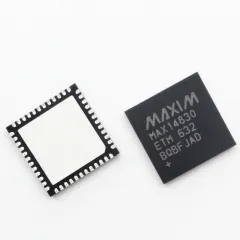
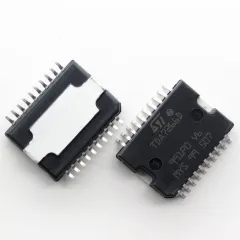
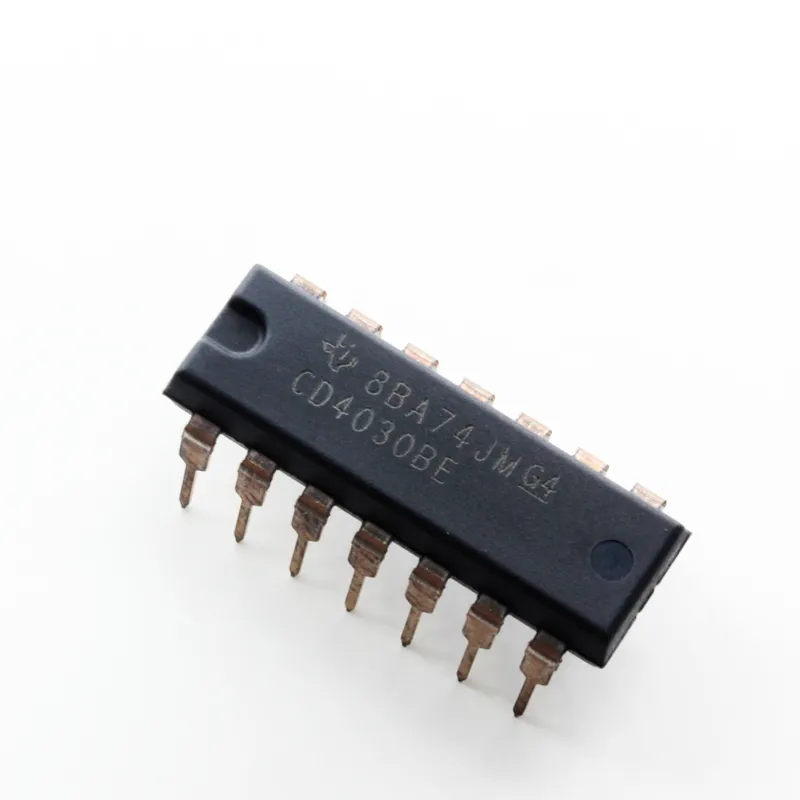
 MAX14830ETM TDA7266D CD4030BE AD7606BST